
Who Owns Space? Understanding the Laws That Govern Outer Space

Quick Answer
No country owns outer space. According to international law, outer space is considered the "province of all humankind," meaning no nation can claim ownership of the Moon, Mars, or any other celestial body. Instead, countries must follow international agreements—most notably the Outer Space Treaty of 1967—that promote peaceful exploration and cooperation.
But as governments and private companies launch more satellites, plan lunar missions, and even discuss asteroid mining, an important question arises: How do we regulate a place that belongs to everyone?
Why Do People Think Countries Can Own Space?
On Earth, ownership is relatively straightforward. Nations have borders, governments control their territories, and laws determine who owns land and natural resources.
Space is different.
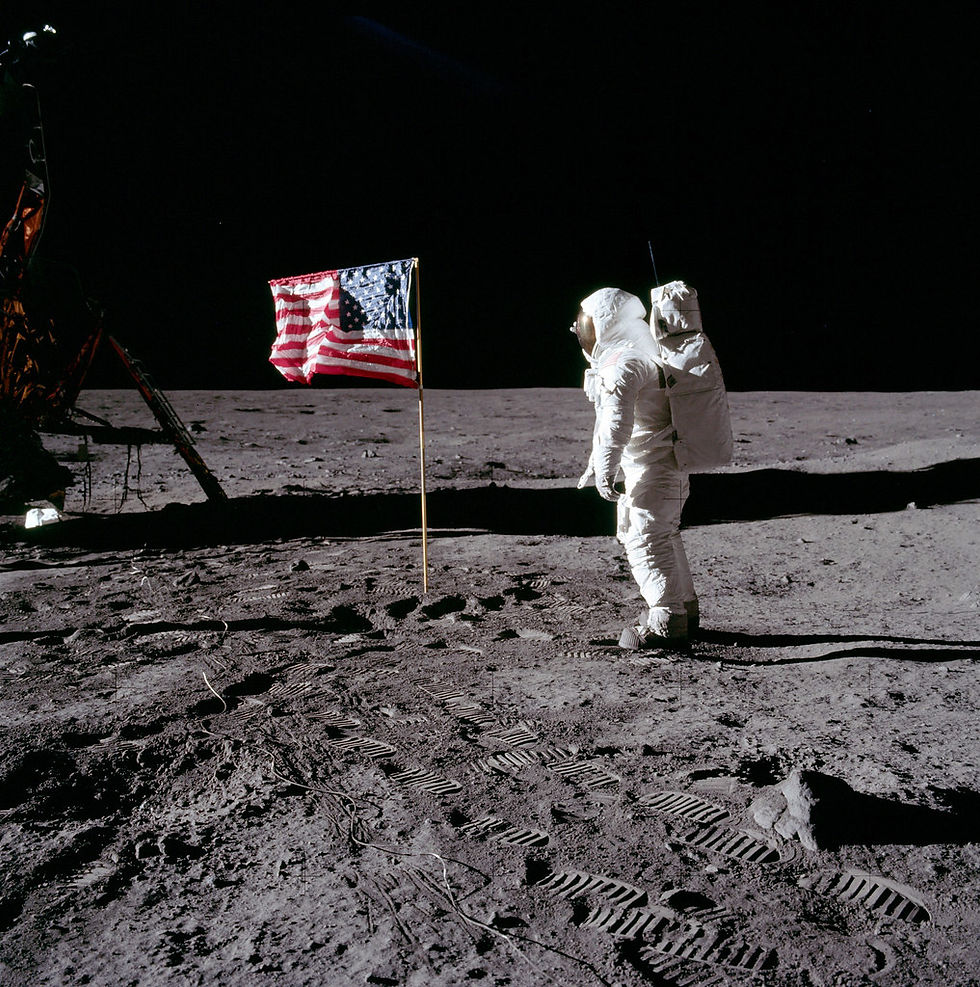
There are no national borders stretching across the Moon or Mars. Even if a country plants its flag during a mission, that doesn't mean it owns the land beneath it. The famous American flag left on the Moon during the Apollo missions symbolizes exploration and achievement—not territorial ownership.
This unique approach reflects a broader goal: ensuring that space remains a shared environment for scientific discovery and peaceful cooperation rather than international competition.
The Outer Space Treaty: The Foundation of Space Law
The cornerstone of modern space law is the Outer Space Treaty, signed in 1967 during the height of the Space Race.
Today, more than 100 countries are parties to the treaty, making it one of the most important agreements governing activities beyond Earth.
The treaty establishes several key principles:
No nation can claim sovereignty over outer space or any celestial body.
Space should be explored for peaceful purposes.
Countries are responsible for activities conducted by both government agencies and private companies operating under their jurisdiction.
Nations should avoid contaminating other worlds during exploration.
International cooperation and scientific research should be encouraged.
These principles have guided decades of exploration—from the Apollo missions to today's International Space Station and upcoming lunar programs.
What About Private Companies?
One of the biggest changes in modern space exploration is the growing role of private companies.
Organizations like SpaceX, Blue Origin, and other commercial space companies are launching rockets, building satellites, and developing plans for future lunar and Martian missions.
This raises an important question:
If countries can't own space, can companies?
The answer is more complicated than a simple yes or no.
While companies cannot claim ownership of the Moon or Mars themselves, many countries, including the U.S., have passed laws allowing companies to own resources they extract from space, similar to how fishing boats can own the fish they catch without owning the ocean.
This remains one of the most debated issues in international space policy.
Some experts argue that allowing resource extraction encourages innovation and investment, while others worry it could create conflicts over access to valuable resources in the future.
Why Space Law Matters More Than Ever
When the Outer Space Treaty was written, only a handful of countries had access to space.
Today, the situation looks very different.
Thousands of satellites orbit Earth, commercial companies launch rockets almost weekly, and multiple nations are planning missions to return humans to the Moon.
As space becomes increasingly crowded, policymakers must answer difficult questions:
Who is responsible if two satellites collide?
How should countries manage space debris?
Can companies mine asteroids?
How should valuable lunar resources be shared?
What happens if nations disagree over activities on the Moon?
These aren't hypothetical questions—they're issues governments and international organizations are actively discussing today.
Why International Cooperation Is Essential
Unlike Earth's oceans or continents, outer space is a shared environment.
A satellite launched by one country can pass over dozens of others in a single orbit. Space debris created by one mission can threaten spacecraft belonging to many different nations.
Because of this, international cooperation isn't simply beneficial—it's necessary.
Organizations, scientists, engineers, and policymakers continue working together to develop guidelines that promote safety, sustainability, and peaceful exploration.
A prominent example of this is NASA’s proposed safety zone approach in the Artemis Accords. Which consists of temporary buffer areas on the Moon meant to keep countries and companies from getting in each other's way or damaging each other's equipment. However, like many modern space guidelines, NASA’s proposed safety zone approach isn’t universally recognized or fully defined as an international policy.
As humanity prepares for missions to the Moon, Mars, and beyond, cooperation will likely become even more important.
The Future of Space Law
As technology advances, international law will need to adapt alongside it.
Questions surrounding commercial exploration, lunar settlements, resource extraction, and environmental protection will shape the next generation of space policy.
Understanding who governs space isn't just a legal question—it's one of the most important conversations influencing the future of human exploration.
Frequently Asked Questions
Can the United States own part of the Moon?
No. Under the Outer Space Treaty, no country can claim sovereignty over the Moon or any other celestial body.
Can someone buy land on the Moon?
Some companies sell novelty "Moon deeds," but these have no legal recognition under international law.
Can private companies mine asteroids?
Some national laws recognize ownership of extracted resources, but international discussions about space resource governance are still evolving.
Why don't countries simply create borders in space?
International treaties were designed to prevent territorial disputes and encourage peaceful exploration for the benefit of all humanity. Additionally, dividing up areas, such as the Moon, would be unfeasible due to certain zones and areas being more significant than others.
Keep Exploring Space
Interested in learning more about the policies shaping the future of space exploration?
Our in-depth Space Minds Center Articles take a deeper look at the challenges facing today's space community, including:
These research-based articles explore the science, ethics, and policy behind some of today's biggest questions in space exploration.
Join the Conversation
Reading about space is just the beginning.
The Underline Space Roundtable Program brings together students who are passionate about astronomy, space policy, engineering, and current space missions. Through interactive discussions and collaborative learning, participants explore real-world issues affecting the future of space exploration while connecting with others who share the same curiosity.
Whether you're interested in becoming an engineer, scientist, policymaker, or simply enjoy learning about space, the Roundtable is a great place to continue the conversation.
Keep exploring, keep asking questions, and keep looking beyond Earth.


Comments